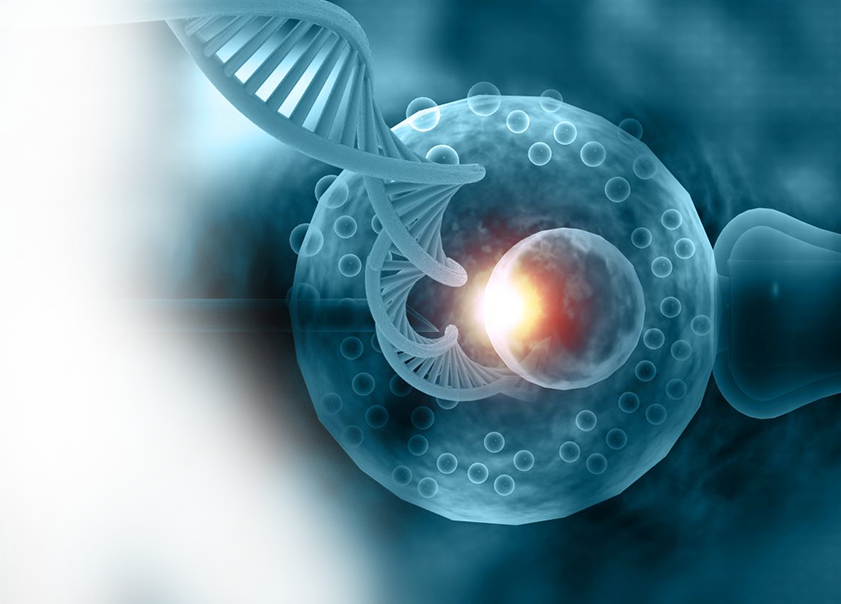
PGT-A & PGD Testing
Preimplantation Genetic Testing (PGT) encompasses a vital realm of reproductive medicine, offering comprehensive evaluation and screening for genetic anomalies in embryos before implantation. Two primary methodologies stand out: Preimplantation Genetic Screening (PGS) and Preimplantation Genetic Diagnosis (PGD). Both PGS and PGD represent sophisticated techniques aimed at ensuring the health and viability of embryos before they are transferred to the uterus, with the ultimate goal of fostering the birth of a healthy baby. PGS, referred to as Preimplantation Genetic Testing for Aneuploidies (PGT-A), focuses on detecting chromosomal abnormalities within embryos. This meticulous screening process involves analyzing the embryo’s chromosomal makeup to identify deviations from the typical number of chromosomes, thereby reducing the risk of implanting embryos prone to genetic disorders or developmental abnormalities.
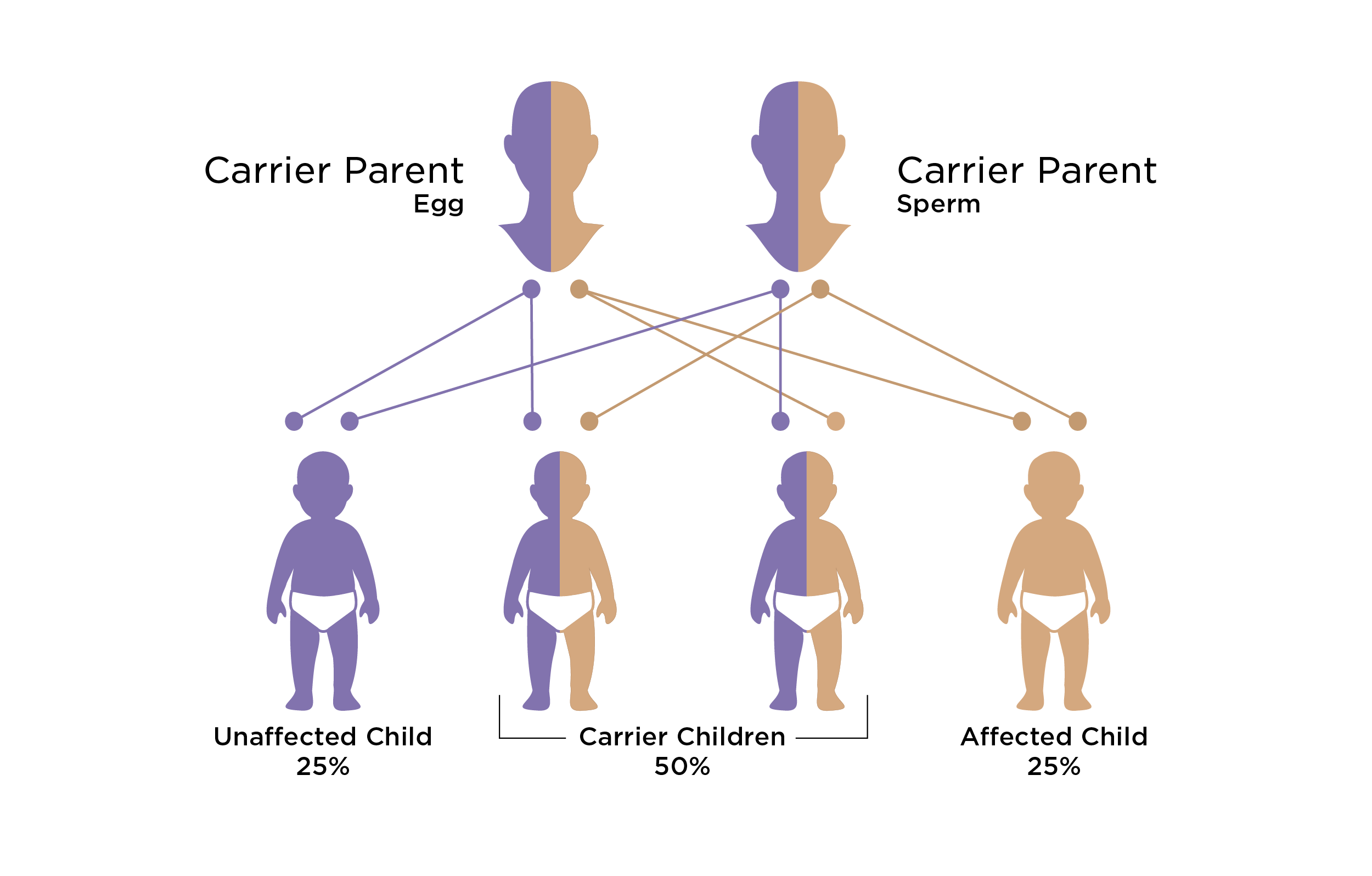
On the other hand, PGD offers a deeper level of genetic scrutiny, targeting specific genetic mutations or disorders that may be inherited from the parents. Through PGD, potential genetic defects responsible for diseases such as cystic fibrosis, Huntington’s disease, or sickle cell anemia can be identified with remarkable precision. This personalized approach enables prospective parents to make informed decisions regarding embryo selection and implantation, thus significantly increasing the chances of a successful pregnancy and the birth of a healthy child.