IVF Treatment in Diamond Bar, CA
Considering IVF? Start with clear answers. Explore IVF care at AFMC in Diamond Bar, California, including the treatment process, your care team and questions to ask before getting started.
A care coordinator will follow up within one business day. Medical recommendations are made after physician evaluation.

Your Fertility Specialist
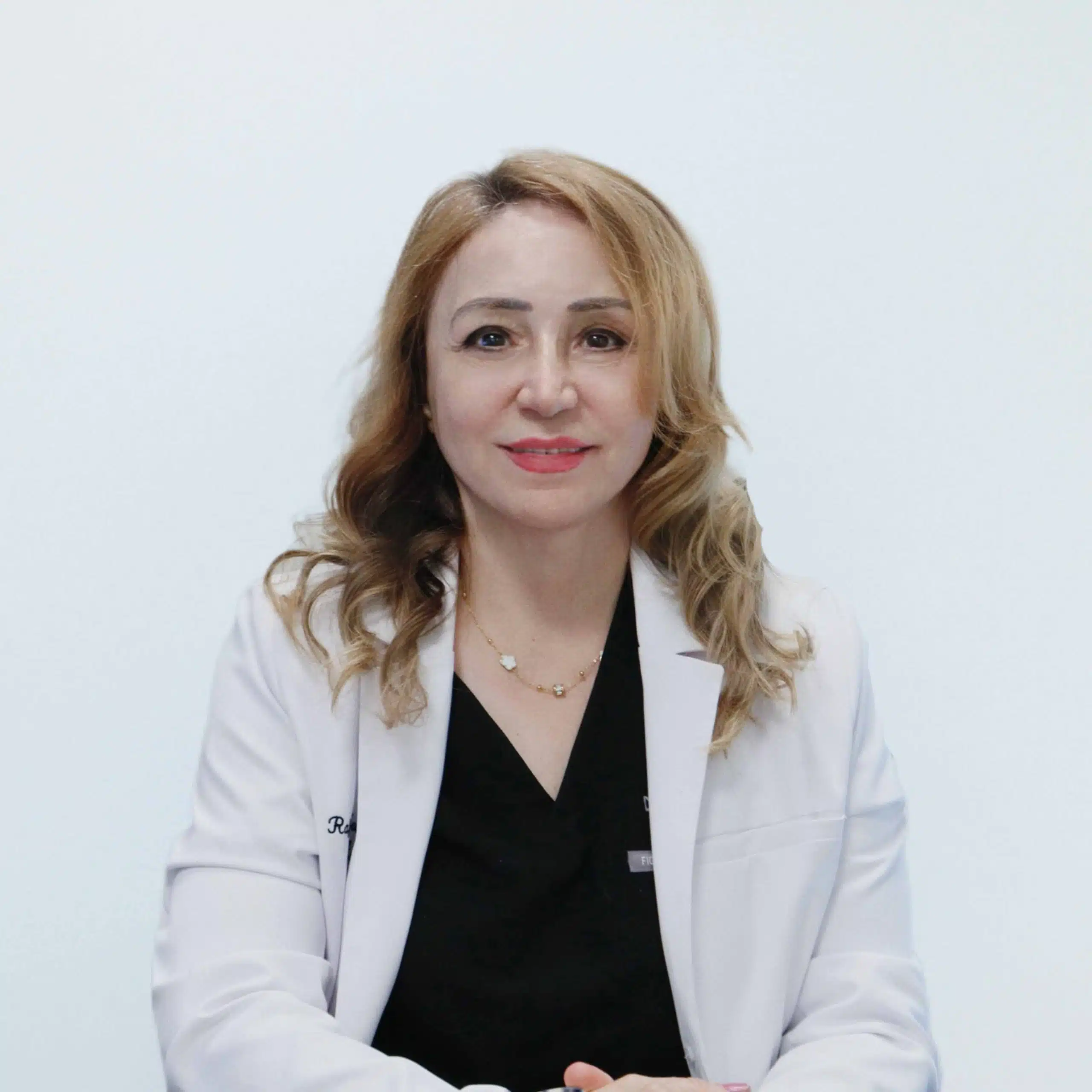
Meet Dr. Rafif Z. Moussa
Board-certified in Reproductive Endocrinology and Infertility, Dr. Moussa brings more than 20 years of fertility-care experience. As AFMC’s Medical Director, she leads individualized IVF treatment planning in Diamond Bar.
She completed her fellowship training at the Jones Institute for Reproductive Medicine — the pioneering center behind the birth of America’s first IVF baby.
Is IVF Right for Me?
Could IVF Be the Right Next Step?
Every fertility journey is different, but many patients begin considering IVF when one or more of the following situations feels familiar.
Your Fallopian Tubes Are Blocked or Damaged
IVF allows eggs and sperm to meet in the laboratory, so treatment does not depend on the fallopian tubes.
There Are Sperm-Related Challenges
IVF—sometimes together with ICSI—may help when sperm count, movement or fertilization is a concern.
Endometriosis May Be Affecting Fertility
IVF may be considered when endometriosis, prior surgery or other pelvic factors make pregnancy more difficult.
Testing Has Not Found a Clear Reason
When pregnancy has not happened despite normal testing, IVF may offer another path and provide more information about fertilization and embryo development.
IUI or Other Treatments Have Not Worked
Results from earlier treatment can help your doctor decide whether moving to IVF makes sense.
Age or Egg Reserve Is Becoming a Concern
If time or ovarian reserve is a concern, your doctor can explain whether IVF may be an appropriate next step.
A clearer view of the journey
Understanding the IVF Process
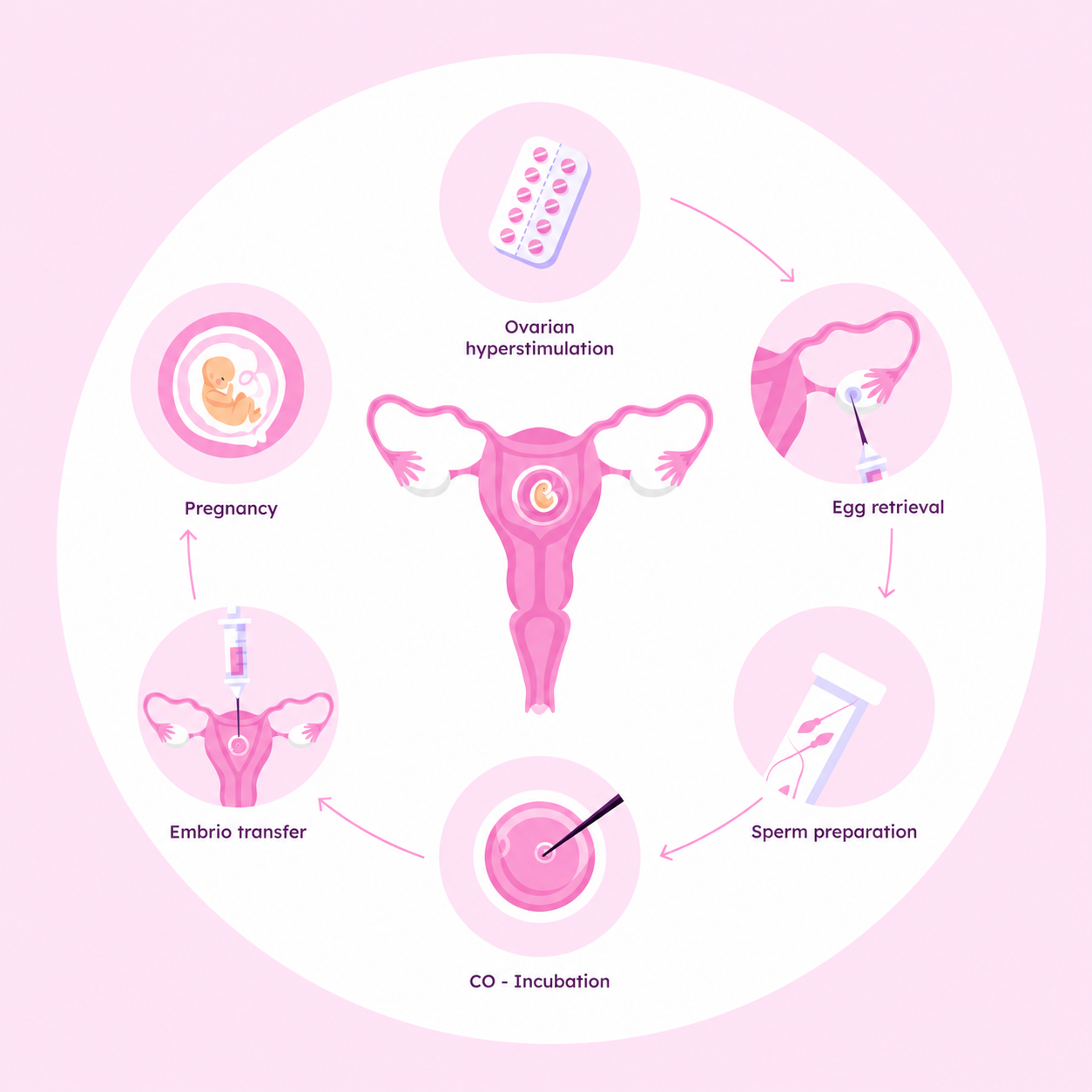
Every treatment plan is individual, but an IVF cycle commonly includes the following stages.
Evaluation & Planning
Your physician reviews your history, fertility testing and goals.
Stimulation & Monitoring
Medication supports follicle development while your response is monitored.
Egg Retrieval
Eggs are collected during a procedure performed according to your care plan.
Fertilization & Development
Eggs and sperm are combined and embryo development is monitored in the laboratory.
Transfer & Follow-Up
An embryo may be transferred or frozen for a later transfer, depending on the plan.
Why AFMC
- A plan based on you. Your plan starts with your medical history, test results and goals—not the same plan for everyone.
- Know what happens next. We explain each stage, why it matters and what you need to do.
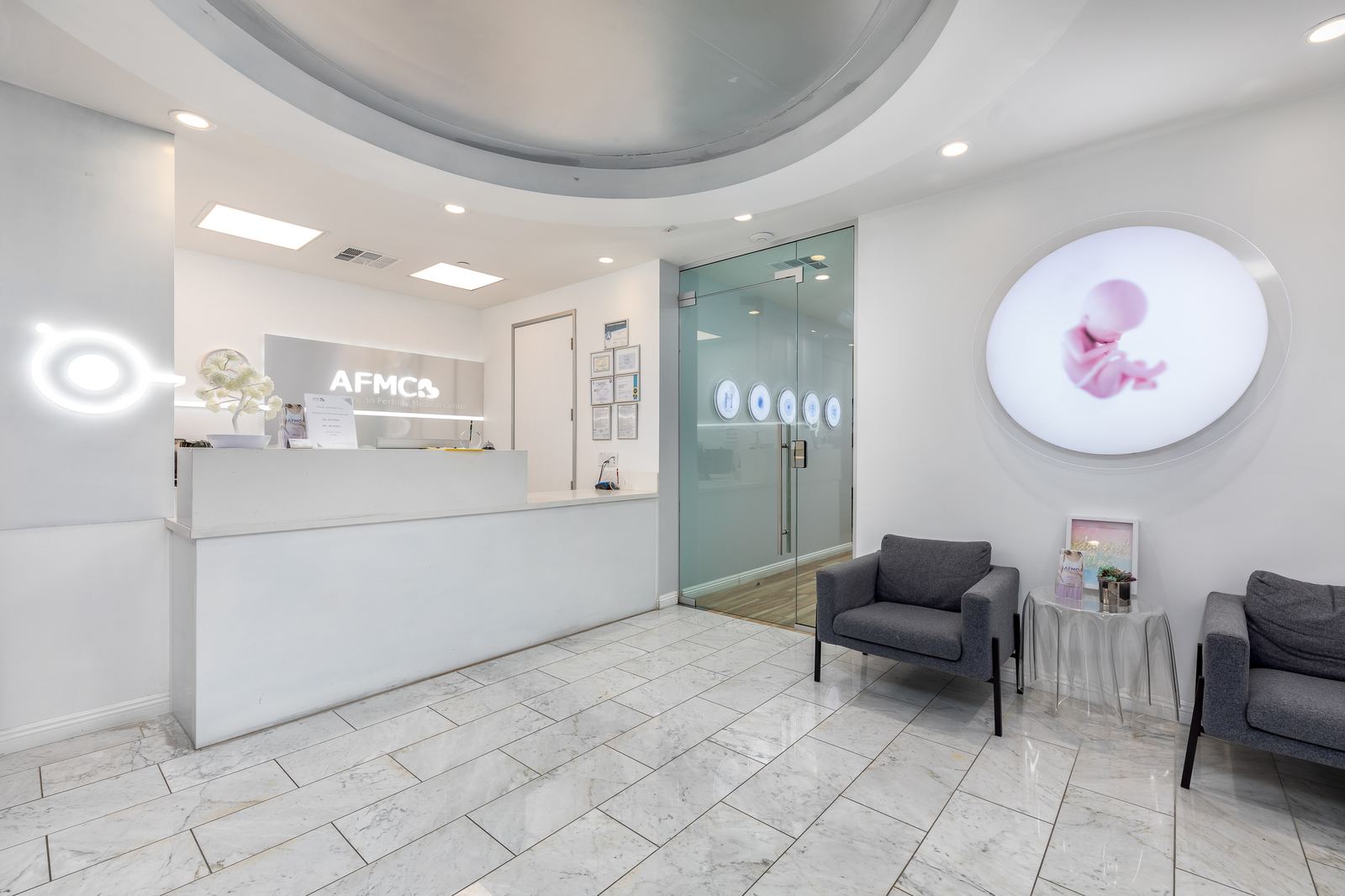
- One location for IVF care. Our fertility laboratory and procedure rooms are located at the AFMC Diamond Bar center, so you do not have to travel to separate facilities for these parts of treatment.
- Speak with us in your language. Support is available in English, Mandarin, Spanish and Arabic.
IVF success at AFMC
Focused on Your Best Chance of Success
AFMC is proud of the successful pregnancies and growing families made possible through our IVF program. Our fertility specialists and in-house laboratory team work together on each treatment plan, with one goal: to give every patient the best chance of success.
Your expected outcome depends on your age, diagnosis, egg and sperm health, embryo development and treatment plan. We review these factors with you and explain what they may mean for your case.
Financial planning
Planning for IVF Costs
IVF costs depend on the treatment plan, medications, laboratory services and any additional procedures that may be recommended. Before moving forward, ask which services are included, which may be separate and what insurance, medication-savings or financing resources may be available. Coverage and eligibility vary.
Common questions
IVF FAQs
How long does IVF take?
For many patients, the active part of an IVF cycle takes about two to three weeks. Ovarian stimulation usually lasts 8 to 14 days, followed by egg retrieval. A fresh embryo transfer may occur several days later, while genetic testing or a frozen embryo transfer makes the overall timeline longer. Pre-treatment testing and cycle scheduling also add time.
Is IVF painful?
IVF is usually experienced as a series of temporary discomforts rather than continuous pain. Injections may sting, and ovarian stimulation can cause bloating or pelvic pressure. Egg retrieval is performed with pain medication, sedation or anesthesia; cramping or soreness can occur for a day or two afterward. Embryo transfer is usually painless, although mild cramping is possible.
Do I need bed rest after an embryo transfer?
No. Routine bed rest after embryo transfer has not been shown to improve pregnancy or live-birth rates. Most patients can walk, use the bathroom and resume normal light activity. Follow your care team’s instructions about strenuous exercise, intercourse, medications and any symptoms that require a call.
Is IVF the right first treatment for everyone?
No. Medication or IUI may be reasonable first options when the fallopian tubes are open and sperm-related factors are mild. IVF may be recommended sooner for blocked or damaged tubes, more significant sperm-related infertility, diminished ovarian reserve, age-related time concerns, certain genetic-testing needs or unsuccessful prior treatment. Testing and medical history determine the recommendation.
What is ICSI?
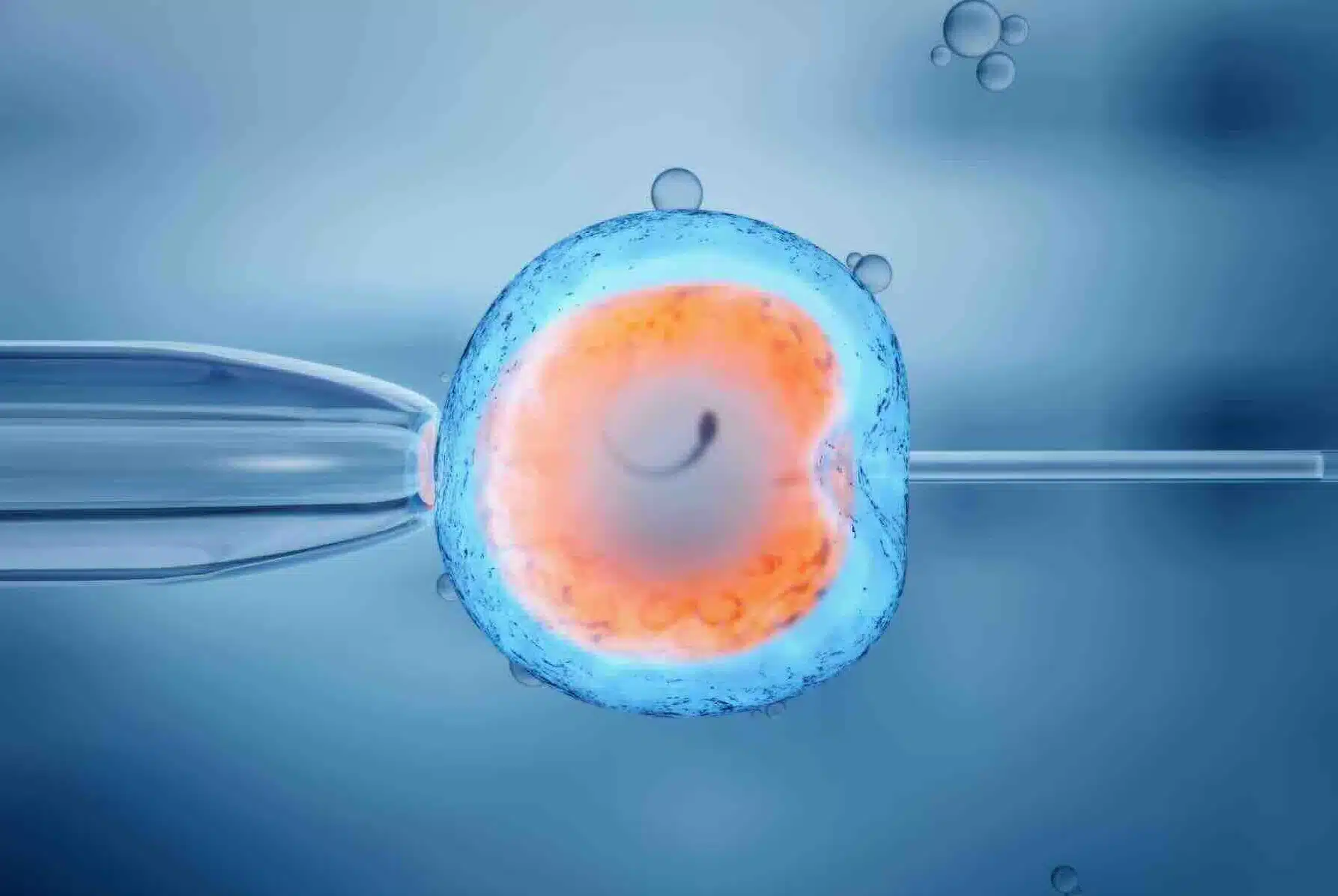
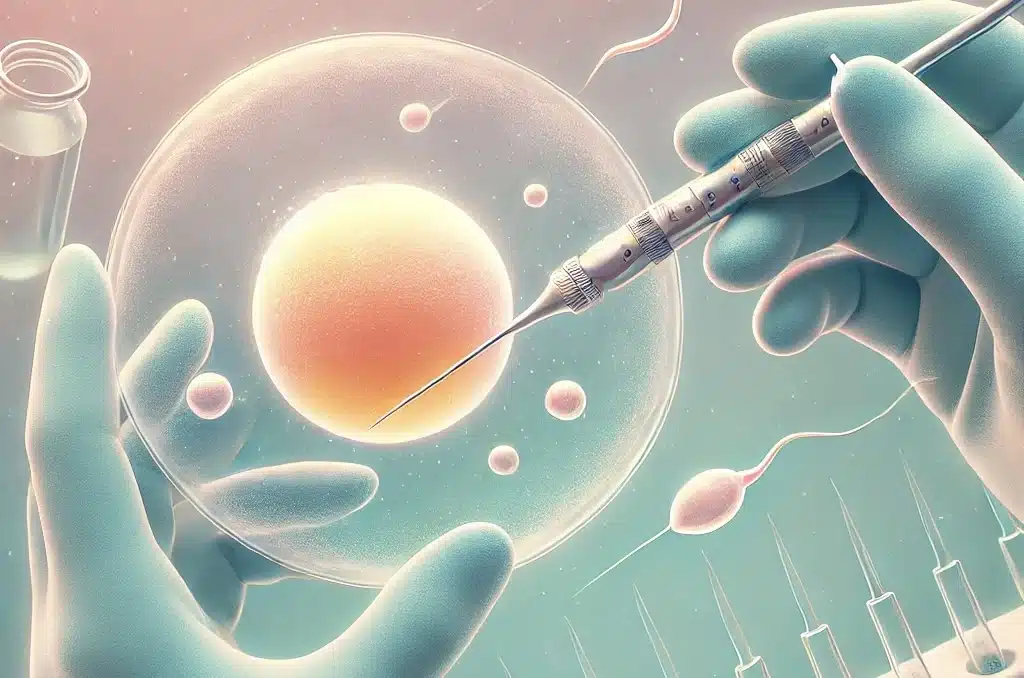
ICSI is a laboratory technique in which an embryologist injects one sperm directly into an egg. It is commonly considered when sperm count or movement is low, sperm must be surgically retrieved, or a previous cycle had poor or failed fertilization. ICSI can help fertilization in selected cases, but it does not guarantee embryo development or pregnancy and is not automatically necessary for every IVF cycle.
Can embryos be tested?
Yes. Preimplantation genetic testing can examine cells from an embryo before transfer. PGT-A looks at chromosome number, while PGT-M or PGT-SR may be used for specific inherited or structural chromosome conditions.
What affects IVF success?
The age of the person providing the eggs is one of the strongest predictors of IVF success. Ovarian reserve and response, sperm factors, embryo development, genetic factors, the uterine environment, infertility diagnosis and previous pregnancy or IVF history also matter. Clinic averages do not predict one patient’s result; testing and treatment response are needed for an individualized estimate.
How many IVF cycles might I need?
There is no reliable way to promise a specific number before treatment. Some patients achieve a pregnancy after one retrieval and transfer, while others need additional transfers or retrievals. Age, ovarian response, the number of mature eggs, fertilization, embryo development and transfer outcomes help the physician update the estimate after each stage or cycle.
Does insurance cover IVF?
Coverage differs by plan and by stage of treatment. A plan may cover diagnostic testing or medication but exclude egg retrieval, laboratory procedures, embryo transfer or storage. Confirm each benefit, exclusion, prior-authorization requirement and participating provider directly with the insurer. AFMC can help you review available benefits and financial resources.
Credentials & standards
Standards Behind Your IVF Care
AFMC’s physician, laboratory and facility credentials reflect recognized standards for fertility care, laboratory quality and patient safety.

ABOG
Board certification in Reproductive Endocrinology & Infertility and Obstetrics & Gynecology.

CDPH
California laboratory licensing and oversight standards.

QUAD A
Accreditation standards for the outpatient procedure facility.
CLIA
Federal standards for clinical laboratory quality and testing.
CAP
Laboratory accreditation and proficiency standards.
Request a free consultation
Tell us how we can help. A care coordinator will follow up within one business day.
Mon–Fri, 8:30 am–5:00 pm · English · 中文 · Español · العربية
Your information will be used to respond to this request. Read AFMC’s Privacy Policy.

Visit AFMC
Diamond Bar, California
1370 Valley Vista Drive, Suite 135
Diamond Bar, CA 91765
AFMC’s clinic is located in Diamond Bar. If you live in Chino Hills, Chino, Walnut or Rowland Heights and are considering IVF, contact our care team to discuss getting started and planning your visits. View our Diamond Bar clinic location for the address and office hours.
Monday–Friday: 8:30 am–5:00 pm
Saturday: By appointment only