Egg Freezing in Diamond Bar, California
Thinking About Freezing Your Eggs?
Learn when timing may matter, what treatment involves and what to expect before deciding whether egg freezing fits your plans.
A care coordinator will follow up within one business day.
Reasons patients consider egg freezing
Why You May Be Considering Egg Freezing
The goal is to preserve the possibility of starting a family at a time of your choosing.
Medical Treatment
Cancer treatments such as chemotherapy or radiation can affect fertility, so some patients freeze eggs before treatment begins.
Personal & Social Reasons
Some patients consider egg freezing to delay pregnancy until a time that better fits their personal or professional goals.
Risk of Diminished Ovarian Reserve
Genetic factors or other conditions may increase the risk of premature ovarian aging.
The egg-freezing process
What Treatment Involves
The process includes four main stages.
Consultation & Testing
A pelvic exam, hormone blood tests and an ultrasound help evaluate the ovaries and possible response to fertility medication.
Ovarian Stimulation
Hormonal injections usually continue for about 10 to 14 days, with blood tests and ultrasounds used to monitor follicle development.
Egg Retrieval
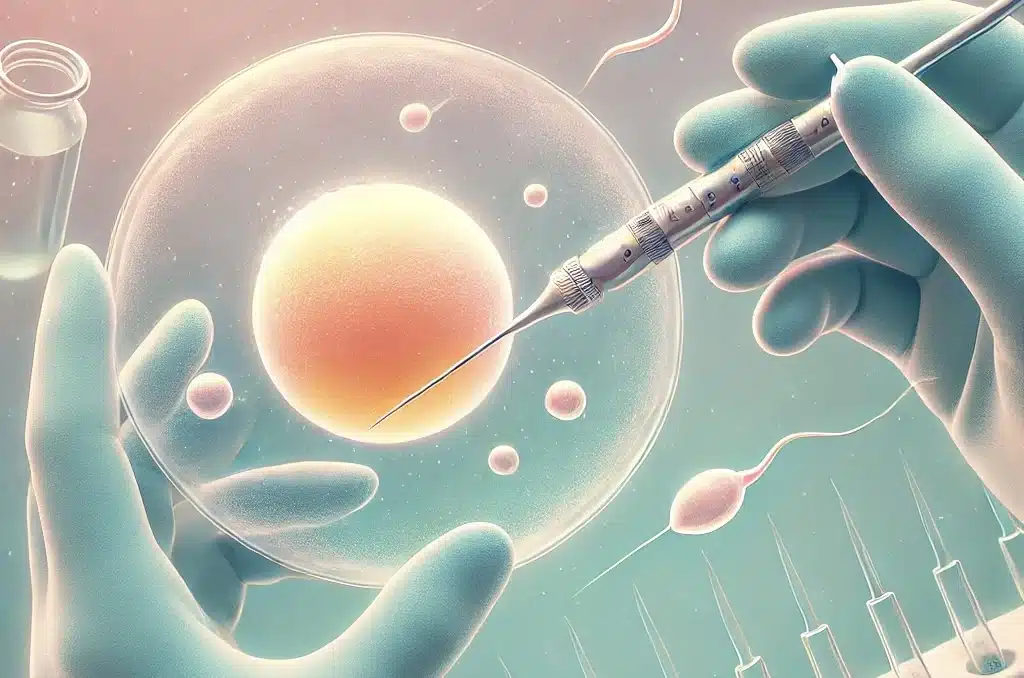
Under sedation or anesthesia, a thin needle is guided through the vaginal wall with ultrasound to collect the eggs. The procedure typically takes 20 to 30 minutes.
Vitrification & Storage
Mature eggs are assessed, treated with a cryoprotectant, rapidly frozen using vitrification and stored in liquid nitrogen.

Before you decide
What to Know Before You Decide
Eggs frozen at a younger age are generally more likely to result in pregnancy later. The likelihood of live birth decreases as age at freezing increases.
Costs can include the procedure, medication and long-term storage of the eggs.
Egg freezing involves emotional, financial and physical considerations. A fertility specialist can explain realistic outcomes and potential risks.

Why AFMC
Experienced Care Through Every Step
Dr. Rafif Z. Moussa brings more than 20 years of fertility-care experience to individualized treatment planning.
AFMC coordinates egg retrieval and laboratory care at its Diamond Bar center.
Hormone blood tests and ultrasound help the physician evaluate ovarian health and possible response to medication.
Financial planning
Understand the Costs Before You Begin
Costs may include the procedure, medication and long-term egg storage.
Common questions
Egg Freezing FAQs
What testing is done before egg freezing?
A pelvic exam, blood tests to assess hormone levels and an ultrasound are used to examine the ovaries. These tests help evaluate ovarian health and possible response to fertility medication.
How long does ovarian stimulation take?
Hormonal injections usually continue for about 10 to 14 days, with blood tests and ultrasound monitoring during that time.
Does egg freezing hurt?
Experiences vary. Hormone injections can cause brief discomfort, bloating or pelvic pressure. Egg retrieval is performed under sedation or anesthesia, and temporary cramping, soreness or light spotting may occur afterward.
What happens during egg retrieval?
Egg retrieval is a minor surgical procedure performed under sedation or anesthesia. A thin needle is guided through the vaginal wall with ultrasound to collect the eggs, and the procedure typically takes about 20 to 30 minutes.
How are the eggs frozen?
Mature eggs are assessed and frozen using vitrification. A cryoprotectant is used before the eggs are rapidly frozen and stored in liquid nitrogen.
Does egg freezing guarantee a future baby?
No. Egg freezing preserves an option for later use, but it cannot guarantee a pregnancy or birth. Chances depend largely on age at freezing and the number of mature eggs stored.
How many eggs should I freeze?
There is no single number that is right for everyone. A fertility specialist estimates a target based on age, ovarian reserve testing, family-building goals and response to medication, but no number can guarantee a future birth.
Does age matter when freezing eggs?
Yes. Age at the time of freezing is one of the most important factors because egg quantity and quality decline over time. Testing can help guide a timing discussion, but it cannot guarantee a future outcome.
What costs should I consider?
Costs can include consultation and testing, medication, egg retrieval, long-term storage and the future use of the eggs to attempt pregnancy.
A simple first step
Discuss Egg Freezing With AFMC
A fertility specialist can help you understand realistic outcomes and potential risks based on your evaluation.
Request a Free ConsultationAFMC physician, laboratory and procedure-suite credentials