Planning For A Future Embryo Transfer?
Embryo freezing creates embryos through IVF and preserves them for possible use in a future frozen embryo transfer cycle.

When Embryo Freezing May Be Part Of Care
The decision depends on your IVF plan and future family-building goals.
After An IVF Cycle
Embryos not selected for the current transfer may be frozen for possible future use.
Planning Pregnancy Later
Embryos may be created and stored when a patient is not ready to attempt pregnancy now.
Before Medical Treatment
Embryo freezing may be considered before treatment that could affect future fertility.
The Embryo Freezing Process
Embryo freezing is part of an IVF cycle and requires sperm to fertilize the retrieved eggs.
Create Embryos Through IVF
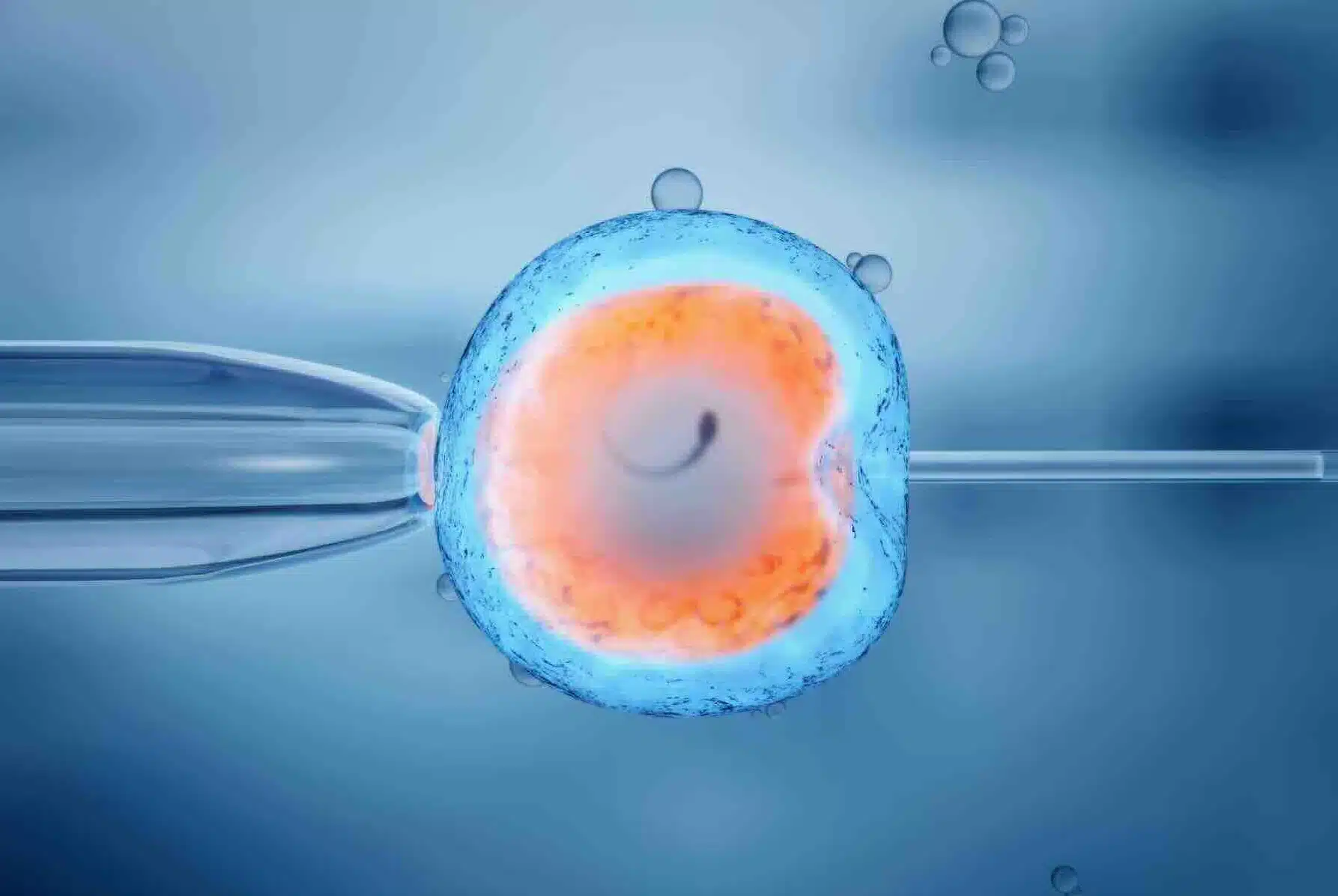
Eggs are retrieved and fertilized with sperm in the laboratory to create embryos.
Evaluate Embryo Development
The laboratory follows embryo development. Preimplantation genetic testing may be discussed when it is part of the treatment plan.
Freeze And Store
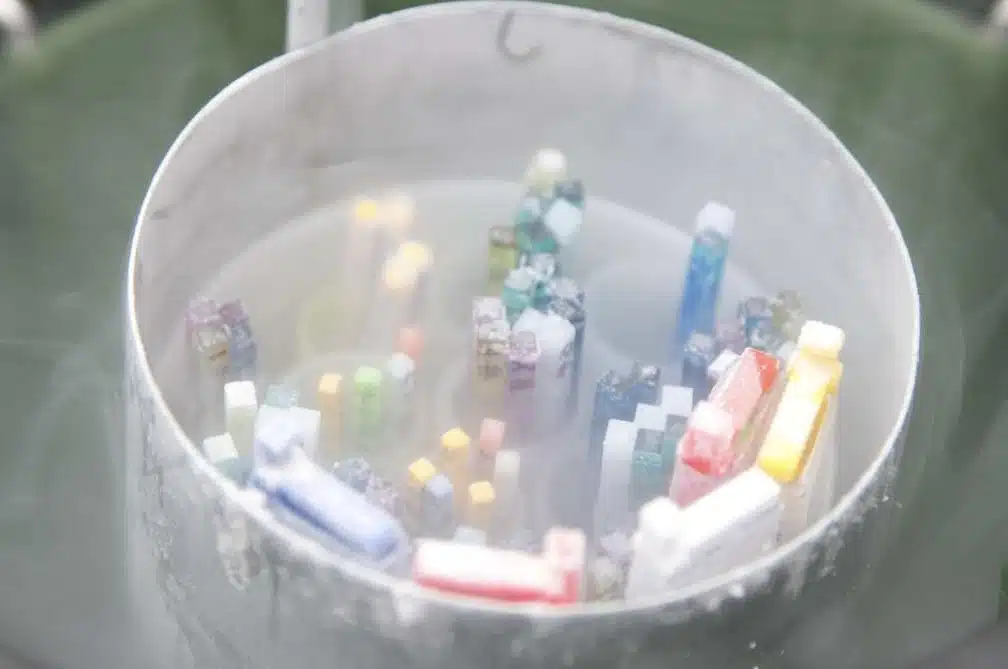
Embryos selected for cryopreservation are frozen using vitrification and stored for possible future transfer.
Understand Your Options Before Treatment
The cost of fertility care depends on the treatment plan and services involved. AFMC can help you review fees, insurance benefits and available financial resources before treatment begins.

Discuss Embryo Freezing With AFMC
A consultation can help you understand how this service may fit your medical history, test results and family-building goals.
Embryo Freezing FAQs
What is embryo freezing?
Embryo freezing, also called embryo cryopreservation, preserves embryos created through IVF so they may be considered for transfer in a future cycle.
Does embryo freezing require sperm?
Yes. Eggs must be fertilized with sperm to create embryos before they can be frozen. Egg freezing is the option that preserves eggs without fertilization.
How are embryos frozen?
Embryos selected for cryopreservation are typically frozen using vitrification, a rapid-freezing method, and then stored under controlled laboratory conditions.
Can embryos be tested before freezing?
Preimplantation genetic testing may be discussed as part of an IVF plan. Whether testing is appropriate depends on the patient’s circumstances and treatment goals.
Will every frozen embryo survive warming?
Embryo survival after warming varies with embryo development, cryopreservation and individual laboratory factors. Your care team can explain what is known about the embryos in your treatment plan.
What happens when I am ready to use a frozen embryo?
A future frozen embryo transfer cycle prepares the uterus for transfer. The selected embryo is warmed in the laboratory before the planned transfer.
Talk With AFMC About Your Options
Connect with the care team to discuss your questions and the next step that may fit your situation.
Request a Free Consultation